

Common Pruning Mistakes That Can Harm Trees and Shrubs
A correct cut can encourage healthy development, while an improper cut might bring difficulties that last for years.
Pruning may seem like an easy outdoor activity, but one bad cut may impact the health, shape, and appearance of a plant. If you have shrubs or trees on your Bowmanville property, learning the frequent tree & shrub pruning blunders will help you prevent unneeded damage and make each trimming session more useful.
Cutting Too Much at Once
One of the biggest blunders is cutting too many branches at one time. Heavy cutting can distort the natural curve of a tree or shrub and leave it with fewer healthy branches. Instead, look for dead, broken, infected, or plainly overgrown branches. Take it easy; sometimes take a step back and check over the general form.
Cutting additional plants may seem like a simple way to clean, but this might generate more difficulties later.
Making Cuts in the Wrong Place
Where you cut a branch is important. But if you cut too near to the main stem or leave a big stub, the plant may have a tougher time recovering adequately. Look at the point where the branch joins the main body before you cut. Don’t remove healthy growth without a cause.
Do Not Cut Just for Appearance
A branch may seem inconvenient but not really constitute an issue. For example, if you remove a healthy branch only because it stands out, you might leave an uneven shape.
There should be a reason for good tree and shrub pruning. Look for dead, damaged, crossed, or undesired growth and decide what has to be removed.
Overlooking Natural Growth Patterns
Not every tree and plant grow differently. Some bushes are naturally broader and some are upright. Trees also create structure as they grow. Forcing a plant into a form that it does not naturally grow in might cause uneven or excessive new growth.
In addition, repeatedly cutting in the wrong spots might make the plant harder to control over time.
Pruning at the Wrong Time
Timing is also another crucial factor of efficient trimming. There is no one pruning regimen that fits all plants.
Some plants may be good for late winter or early spring before new growth starts. But blooming shrubs, fruit trees, deciduous trees, evergreen shrubs, and hedges may need different trimming. Knowing what kind of plant you’re pruning helps you avoid accidentally removing blossoms or new growth.
Using Dull or Poorly Suited Tools
Tools matter too. Dull blades will crush or break branches instead of producing a clean cut. The improper instrument might also make it difficult to manage where you take a branch off of.
Before you start, make sure your tools are in good repair and use the right-size equipment for the branch. It is also excellent for keeping equipment clean, especially if you are working on a number of different plants in tree and shrub maintenance.
Treating Every Plant the Same Way
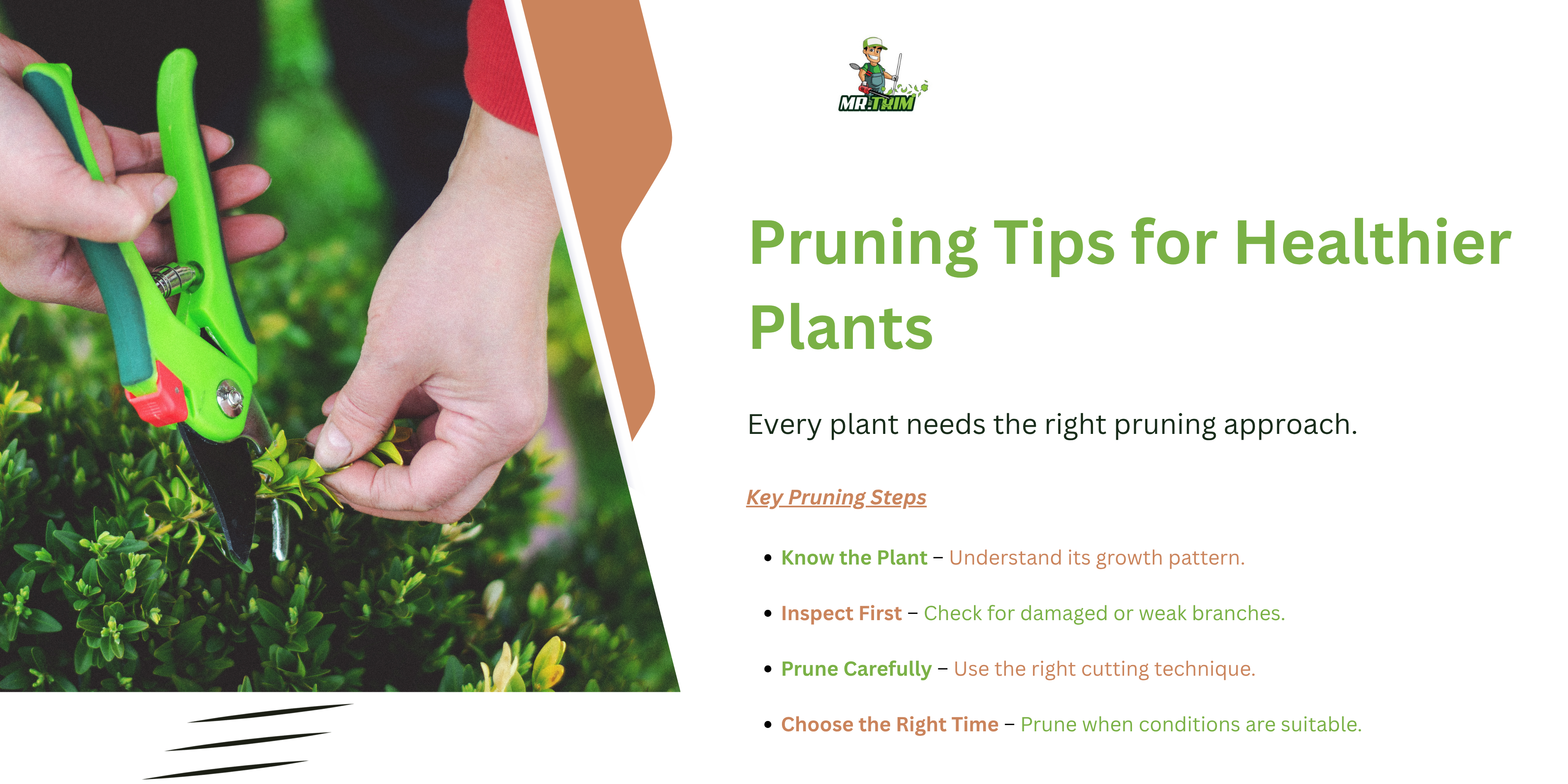
You don't always trim a hedge the same way you trim a mature tree. And blooming plants may need a different regimen than evergreen hedges.
Look Before You Cut
First inspect the whole plant. Check for dead branches, damaged regions, crossing growth, and branches that expand into inappropriate locations.
This is especially true with older plants. Careless pruning of shrubs and tree trimming is beneficial for growth and creates gaps that require time to repair.
Trying to Fix Severe Overgrowth Quickly
When a shrub has been neglected, cutting it back heavily may seem like the quickest solution. But taking away too much growth all at once might put undue stress on the plant.
Depending on the facility and its state, a phased approach may be more appropriate. If you're not sure how much to remove, having professional advice can save you from harm that could have been avoided.
A Better Approach to Pruning
Good pruning starts well before the first cut. Identify your plant, learn its growth pattern, think about the season, and decide which branches really need to be removed.
Proper tree and shrub shaping should work with the plant’s inherent structure to improve its shape. Regular trimming may also assist in keeping shape, looking, and healthy development.
How Can Mr. Trim Help?
Mr. Trim Pruning and Landscaping Services offers hedge and shrub pruning services. This includes shaping, trimming, and renewing your hedges and bushes. The firm also provides tree planting and stump grinding services in Bowmanville and surrounding Durham Region communities.
If you want, you can contact Mr. Trim to discuss your property and get you a quotation for the work that needs to be done.
FAQs
What is the Biggest Pruning Mistake?
Pruning too much growth at once might damage a plant's health and natural structure.
When Should Shrubs be Pruned?
Depends on the plant. Some are trimmed in late winter or early spring; others need trimming after blooming or in fall.
Can Incorrect Pruning Damage Trees?
Yes. Poor cuts, too much removal, and wrong timing might cause long-term difficulties.
Should all Shrubs be Trimmed in the Same Way?
No. Each plant has individual growth habits and trimming needs.
When Should Professional Pruning be Considered?
If plants are too overgrown or you aren't sure which branches to take off, professional aid might be valuable.
