


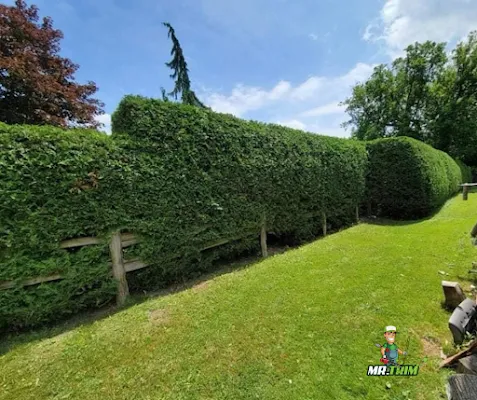
Hedge Trimming and Tree Pruning for Beautiful Gardens
A beautiful garden is more than just a patch of greenery it is a reflection of your home, lifestyle, and personality. From manicured lawns to vibrant flower beds, every element plays a role in creating curb appeal. But hedges and trees are often the defining features of an outdoor space. They create privacy, provide shade, and add natural structure to your property. However, without proper care, hedges can grow wild, and trees can become unbalanced or hazardous.
This is where hedge trimming and tree pruning play a vital role. Beyond looks, they improve plant health, prevent risks, and ensure your garden stays well-maintained year-round. With the help of professional landscaping services, your outdoor space can remain both safe and stunning for years to come.
Why Hedge Trimming and Tree Pruning Matter
Many homeowners think trimming and pruning are only for keeping plants neat, but the benefits go much deeper:
Encourages Healthy Growth – Removing deadwood and excess branches allows plants to thrive.
Prevents Diseases – Trimming helps stop fungal infections and pests from spreading.
Improves Airflow and Sunlight – Cutting back overgrowth ensures better circulation and light penetration.
Boosts Property Value – A well-kept garden adds instant charm and appeal to your home.
Enhances Safety – Pruning prevents weak or overhanging branches from becoming hazards.
Regular maintenance doesn’t just beautify your property it extends the lifespan of your plants and makes your outdoor area safer.
Best Practices for Hedge Trimming
Hedges act as natural walls around your garden, so keeping them in shape is key to a tidy landscape.
1. Trim During the Right Season
Spring trims encourage new growth.
Summer trims keep hedges compact.
Autumn cuts prepare them for winter.
Winter shaping gives structure when plants are dormant.
2. Maintain Proper Shape
Keep hedges slightly wider at the base than the top to ensure sunlight reaches all leaves evenly.
3. Use the Right Tools
Well-sharpened shears or power trimmers create clean cuts and prevent damage.
Best Practices for Tree Pruning
Trees add height, shade, and character to your landscape, but they require careful pruning to remain healthy and safe.
1. Remove Dead or Diseased Branches
This keeps the tree strong and prevents decay from spreading.
2. Encourage Structural Balance
Proper pruning helps young trees develop sturdy frameworks and reduces the chance of weak branch attachments.
3. Prune at the Right Time
Late winter or early spring is ideal for most species, while light summer pruning can help manage excessive growth.
4. Leave Large Jobs to Professionals
Tall or mature trees often require expert care to avoid accidents and ensure precision cuts.
The Value of Professional Landscaping Services
While DIY trimming may seem tempting, professional landscaping services offer unmatched expertise and long-term benefits:
Specialized Knowledge – Professionals understand different species’ growth patterns and needs.
Proper Equipment – From safety harnesses to advanced pruning tools, they have what’s needed for safe, efficient work.
Consistent Maintenance – Regularly scheduled trimming keeps your garden under control year-round.
Problem Prevention – Landscapers can identify pests, diseases, or structural issues before they become serious.
By investing in expert help, you save time, avoid mistakes, and enjoy a healthier, more attractive garden.
Extra Landscaping Tips for a Perfect Outdoor Space
To complement hedge trimming and tree pruning, these simple landscaping tips can elevate your garden:
Edge Lawns and Borders – Clean lines make a garden look polished.
Apply Mulch – After trimming, mulch protects roots, prevents weeds, and conserves moisture.
Balance Heights – Mix tall hedges with shrubs and ornamental trees for depth.
Water and Fertilize Properly – Pruned plants often need a nutrient boost for recovery.
Select the Right Plants – Opt for hardy, easy-to-trim species like boxwood or privet for hedges.
Final Thoughts
A vibrant garden requires more than occasional watering; it needs structured care. Hedge trimming and tree pruning ensure your plants stay healthy, safe, and aesthetically pleasing. With the support of professional landscaping services, you can maintain a garden that enhances your home’s beauty and provides lasting value.
Your outdoor space is an investment treat it with the attention it deserves, and it will reward you with shade, privacy, and beauty all year long.
FAQs
1. How often should hedges be trimmed?
Most hedges should be lightly trimmed every few weeks in the growing season and given deeper seasonal trims three to four times a year.
2. What’s the difference between trimming and pruning?
Trimming usually refers to shaping hedges and shrubs, while pruning is more about trees removing dead, weak, or hazardous branches to improve health and safety.
3. Can over-pruning damage my plants?
Yes. Removing too much growth at once can stress plants, slow regrowth, and make them vulnerable to pests or disease. Following the one-third rule prevents this.
4. When is the best time to prune trees?
Late winter or early spring is best for most species, but summer pruning can help manage growth. Avoid heavy autumn pruning to prevent cold damage.
5. Why hire professionals instead of doing it myself?
Professionals bring expertise, precision, and equipment that most homeowners don’t have. This ensures long-lasting plant health and a polished look.
